Deutsch
  English
  Español
  Português (AO90)
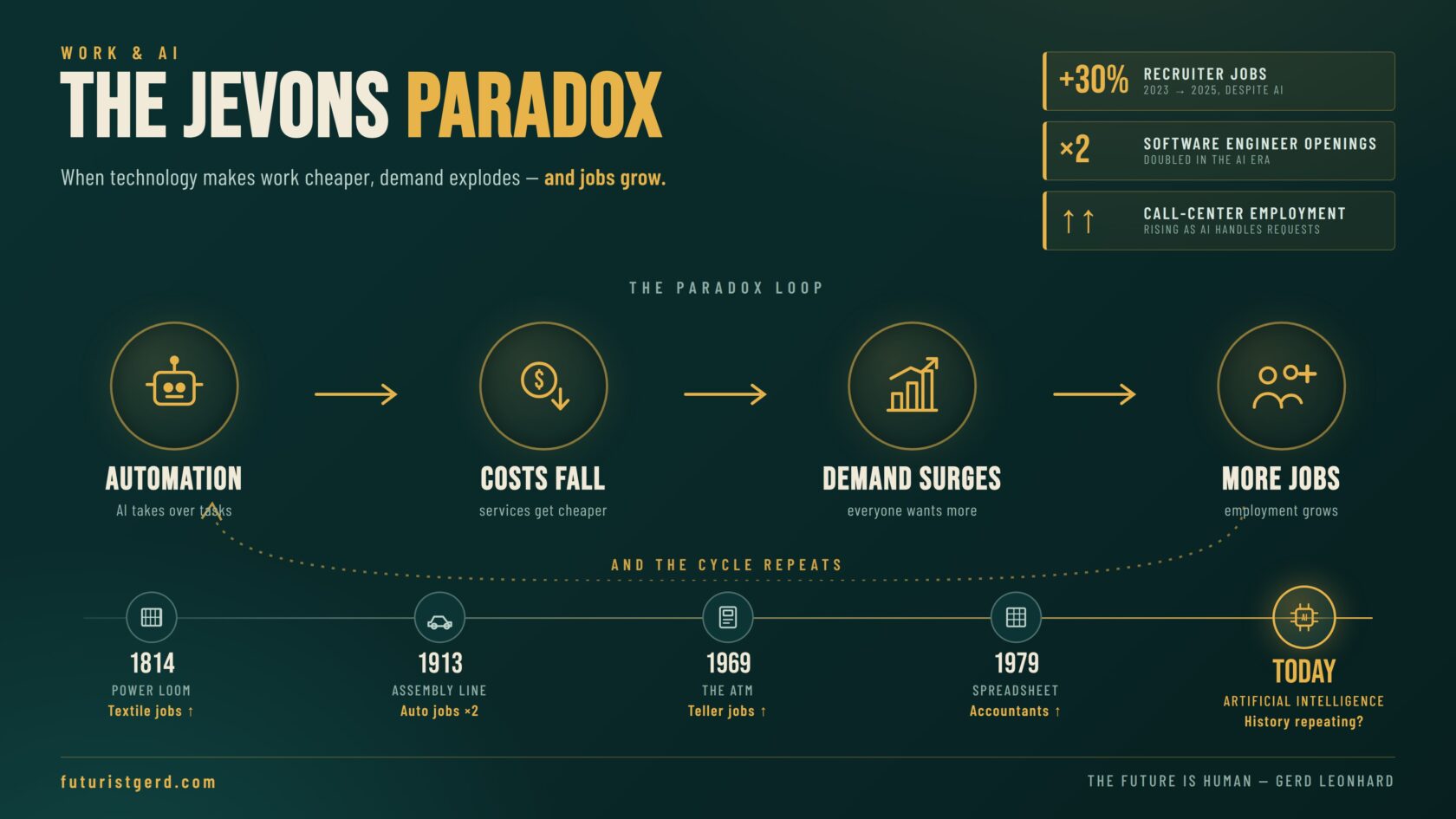
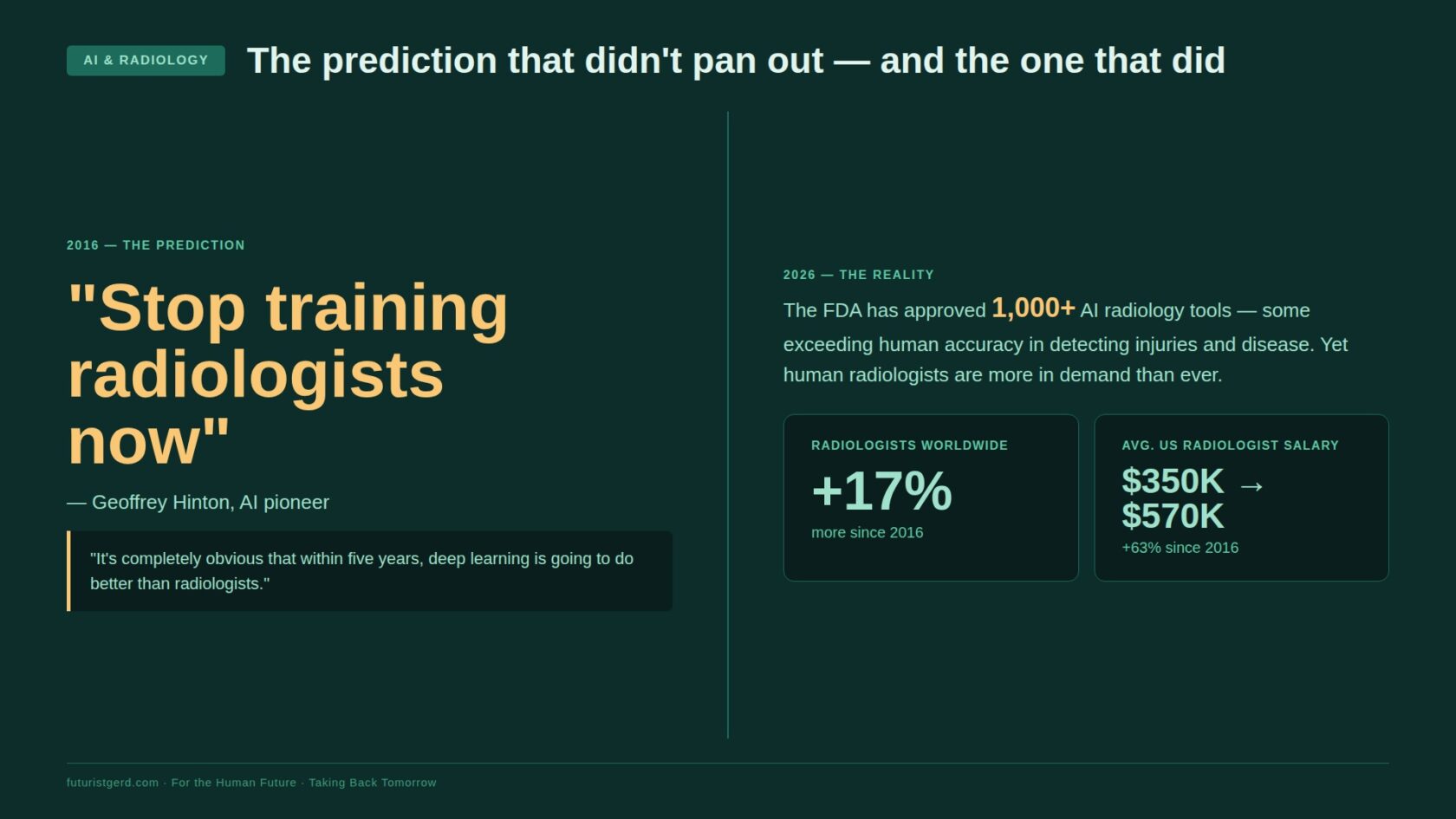
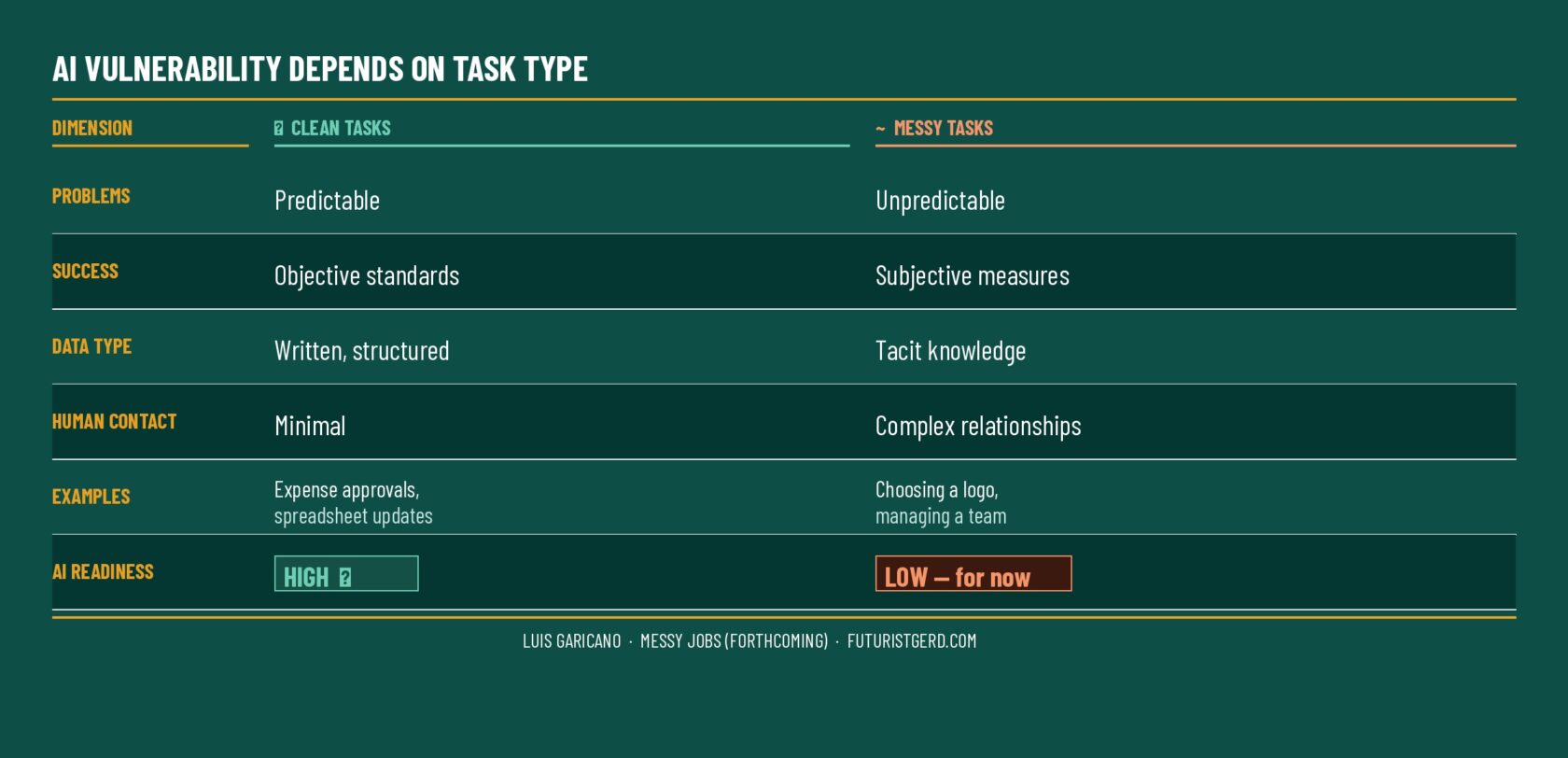
Hier sind 2 Videos zu diesem Thema und 3 Bilder basierend auf dieser kürzliche Artikel von The Atlantic: Drei Arten, über KI und Arbeitsplätze nachzudenken: Ob die Automatisierung menschliche Arbeitskräfte überflüssig machen wird, hängt von mehr ab als nur davon, wie intelligent die KI ist. Von Rogé Karma. Eine Leseempfehlung mit 5 Sternen!
“Laut den MIT-Ökonomen David Autor und Neil Thompson, dem Divergenz zwischen diesen beiden Berufen (schwache Bündel oder starke Bündel) läuft auf die Interaktion von Technologie und Fachwissen hinaus.
Für Buchhalter ersetzten Computer viele ihrer am wenigsten Expertenfähigkeiten; die Stunden, die sie mit der Aufzeichnung von Transaktionen und manuellen Berechnungen verbracht hatten, konnten nun für komplexere Aufgaben verwendet werden, wie z. B. die Erklärung, warum eine Abteilung ihr Budget überschritten hatte, und die Ermittlung von Ursachen für Unstimmigkeiten zwischen dem Bankkonto eines Unternehmens und seinen Büchern. Dies verwandelte die Stelle des Buchhalters von einer Mittelschichtstelle in eine kleinere, stärker professionalisierte.
Für Inventurhelfer hingegen ersetzten Computer ihre Die meisten Fachwissen – ihr enzyklopädisches Wissen über das physische Inventar eines Warenlagers – wodurch sie grundlegendere Aufgaben wie das Scannen von Artikeln und das Auffüllen von Regalen erledigen müssen. Dies verwandelte die Rolle des Lagerverwalters von einem gut bezahlten Mittelklasseberuf in einen geringer bezahlten Job mit einem weitaus größeren Pool potenzieller Arbeitskräfte.
In einem kürzlich Papier, “Die Geschichte ist fast nie so einfach wie: Wir sind in einem Wettlauf mit Maschinen und die Maschinen werden gewinnen”
“Was für einen bestimmten Beruf zählt, ist, ob die Technologie das Fachwissen eines Arbeitnehmers verbessert oder dieses Fachwissen zur Massenware macht.”