English
  Deutsch
  Español
  Português (AO90)
“AI will make most of us poorer and a few fabulously wealthy — unless its productivity gains are allocated fairly. Here’s what we should we be considering now”
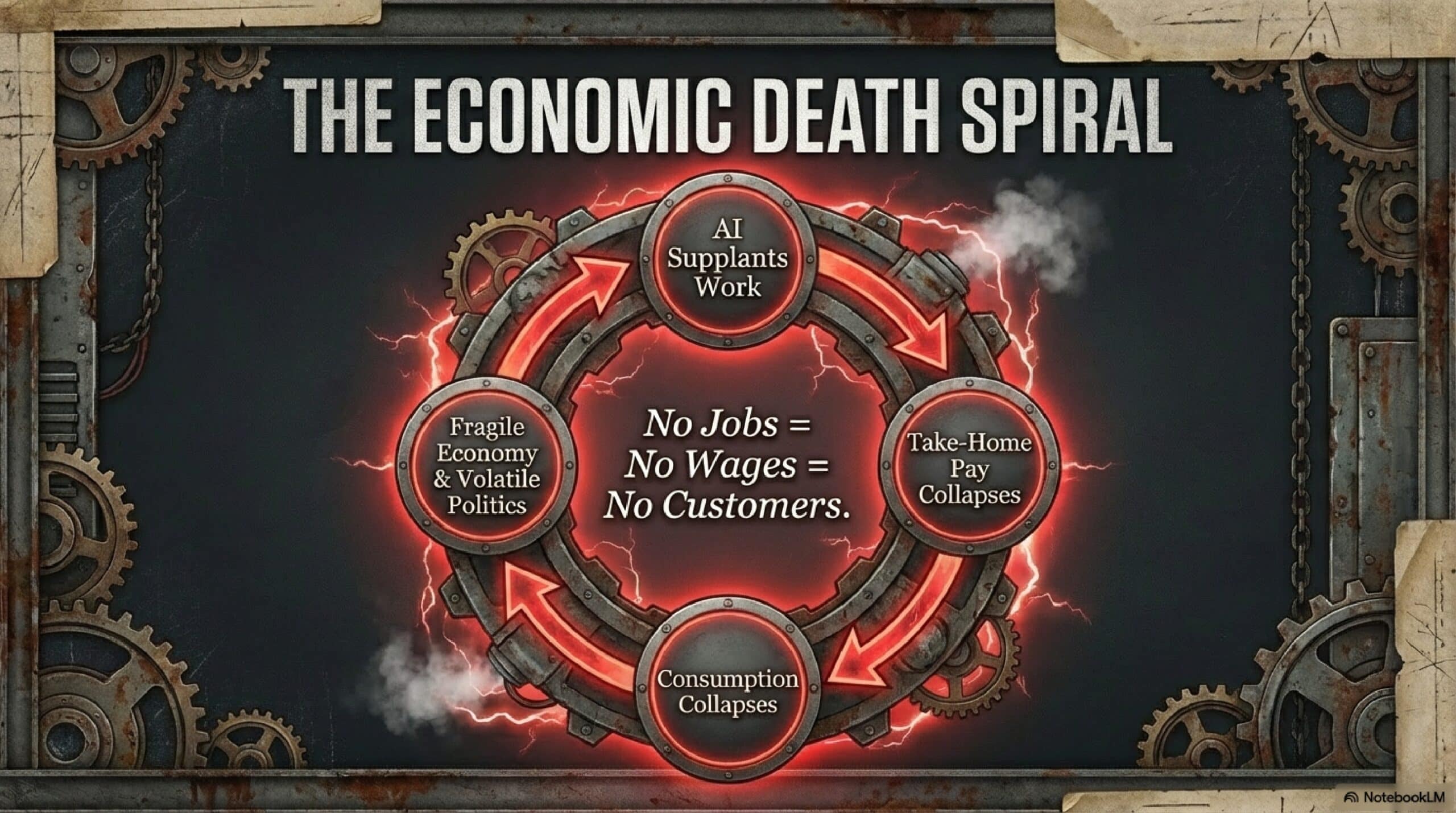
Read More“Unless Americans — white collar, blue collar, pink collar — have the power to demand a share in the productivity gains, profits will go to an ever-smaller circle of owners — leaving the rest of us with less money to buy what can be produced, which is a formula for a fragile economy and an even worse politics.”
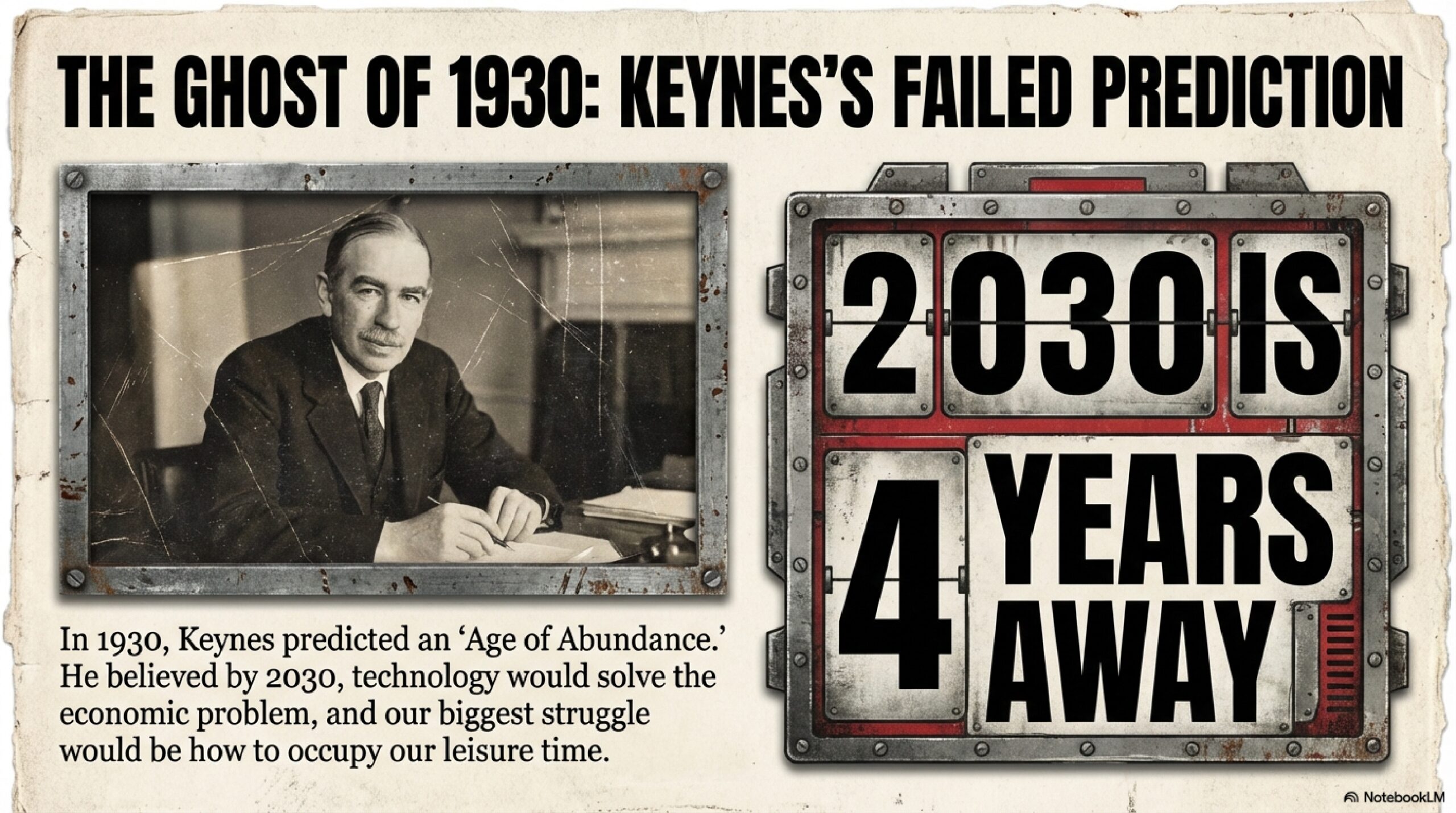
In his famous 1930 essay “Economic Possibilities for Our Grandchildren,” the great British economist John Maynard Keynes predicted that in a century, “the discovery of means of economizing the use of labour” would outpace our ability to “find new uses for labor.” In other words, less work.
Yet Keynes was sure that by 2030 the “standard of life” in Europe and the United States would be so improved by technology that no one would worry about making money. Productivity gains would create an age of abundance. In fact, by 2030, he predicted, our biggest problem would be how to use all our leisure time:
“For the first time since his creation man will be faced with his real, his permanent problem — how to use his freedom from pressing economic cares, how to occupy the leisure, which science and compound interest will have won for him, to live wisely and agreeably and well.”
We’re still four years away from Keynes’s prediction, but at the rate we’re going, it seems wildly wrong. Rather than creating an age of abundance in which most people no longer have to worry about money, new technologies have contributed to a two-tiered society comprising a relatively few with extraordinary wealth and a vast number of people barely making it.”